
|
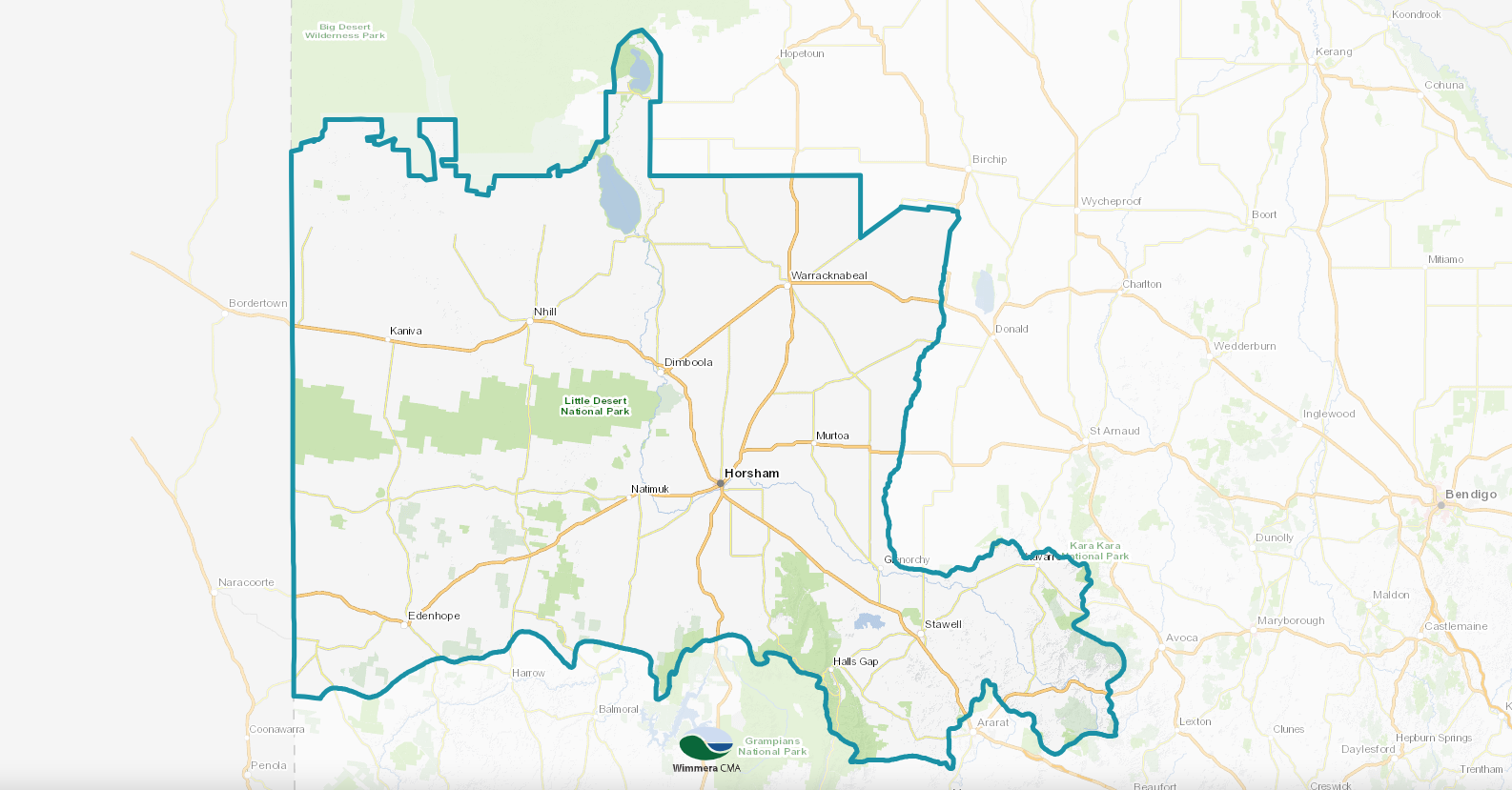
The Wimmera's Regional Catchment Strategy We are serious about including input from the community on how we can make our natural assets more resilient and sustainable. Wimmera CMA is here to help look after our environment and works to ensure our region can sustain future generations. This is a mammoth task, and one that involves the entire community. We welcome your input in developing the Catchment Strategy for our region. What is the Regional Catchment Strategy? The Regional Catchment Strategy (RCS) is the key planning document that will set regional priorities for the future management of natural resources across the Wimmera. Community Involvement The RCS aims to set a clear roadmap that is understood and supported by all. As a community organisation we understand the importance of ensuring that everyone in the community has a chance to contribute to setting priorities for the region. We’ll be asking the community what you value and how you would prioritise management of our natural assets. Directing Investment The RCS will be ministerially approved. It will set regional priorities but will also be referenced to broader state and federal government policies and priorities. Both state and federal government funding agencies have indicated they will be looking to the RCS to help prioritise investment in natural resource management. Developed in partnership A clear objective of the RCS is to work closely with other partner organisations, other organisations that also work in the natural resource management field, to develop an agreed vision and priorities for our catchment. The RCS aims to provide focus, coordination and direction for all natural resource management work in the region. It will strengthen the links between the land, water and people in this unique landscape.
Download the Draft Strategy here:
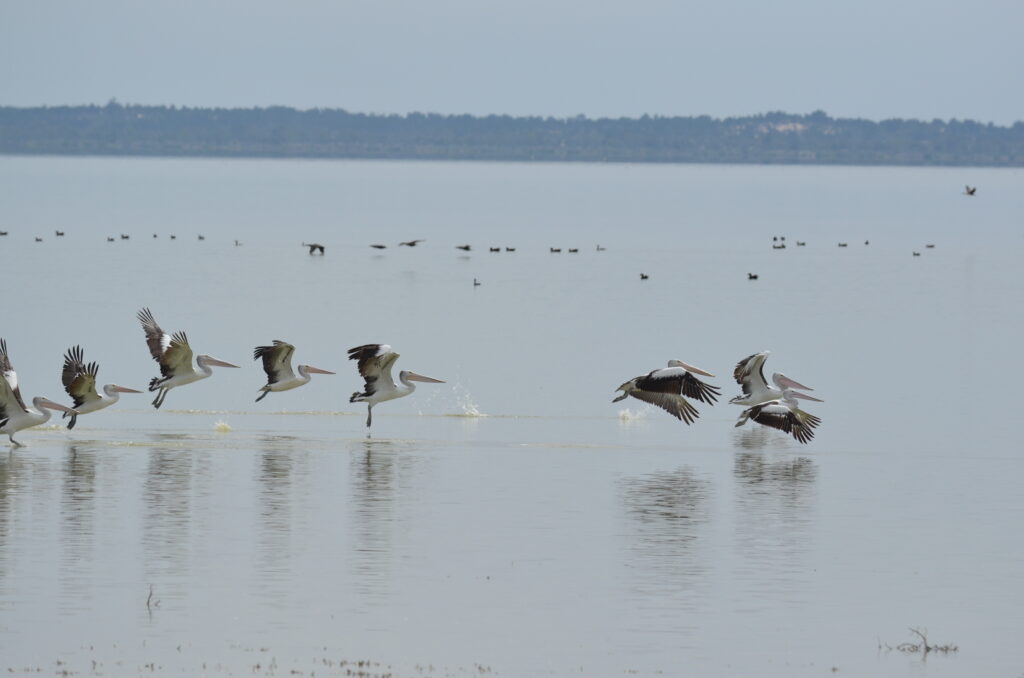
The Wimmera's Natural Assets Rivers & streams Wimmera CMA has a number of obligations under acts of parliament to protect and enhance rivers and streams in the region as well as influencing the environmental water allocation. We are the caretaker of river health. We work in partnership with landholders, community groups and agencies to achieve healthier rivers and streams in our catchment. Wetlands The Wimmera is a hotspot for wetlands and wetland plants and animals. There are more than 2,600 wetlands in the region, equating to roughly 25% of Victoria’s individual non-flowing wetlands. Over 2,000 (75%) of these are concentrated in the southwest Wimmera, west of Horsham and south of the Little Desert National Park. When wet, Wimmera wetlands swarm with life and provide an important food source and breeding ground for water birds, frogs, fish, insects and plants. When dry, they provide habitat for dryland plants like native grasses, trees and shrubs and animals such as, reptiles, birds, kangaroos and emus. Native Vegetation Much of the Wimmera’s original habitat was cleared for agriculture and has greatly reduced vegetation types, such as the Buloke Woodlands that used to cover the plains. However, we are now seeing a greater appreciation of the benefits of native habitat with the likes of large scale community plantouts and other restoration projects. Native vegetation underpins our ecosystem services such as habitat for bees that pollinate plants, habitat for bats and birds that feed on insects, wind breaks for animals during winter and shade during our long hot summers. Native vegetation also plays a key role in reducing dryland salinity as the trees thirsty roots lowers the water table in much of the regions brackish ground water. Soils The health of our soils will determine the prosperity and longevity of our farmers. Many of the regions soils are ancient and some are the most fragile in the country. Many are susceptible to water and wind erosion that denudes the critical top soil that allows rigorous plant growth. If not managed sustainably, soil degradation can impact on the health of our wetlands, rivers, native vegetation and agricultural productivity. Threatened plants & animals Small, isolated populations of threatened species are found across the Wimmera. There are two threatened ecological native vegetation communities listed under the Environmental Protection Biodiversity Conservation Act (EPBC), as well as around 27 nationally-threatened fauna species and 55 nationally-threatened flora species. |