Soil Constraints and Nutrition – Free Webinar with Dr Cass Schefe
Unlock the full potential of your paddocks!
Join us for an informative FREE webinar designed for Wimmera farmers who want to optimise productivity by addressing soil constraints and maintaining system fertility. Learn how to position your business for a low-carbon future while improving yields and reducing emissions.
Meet the Presenter
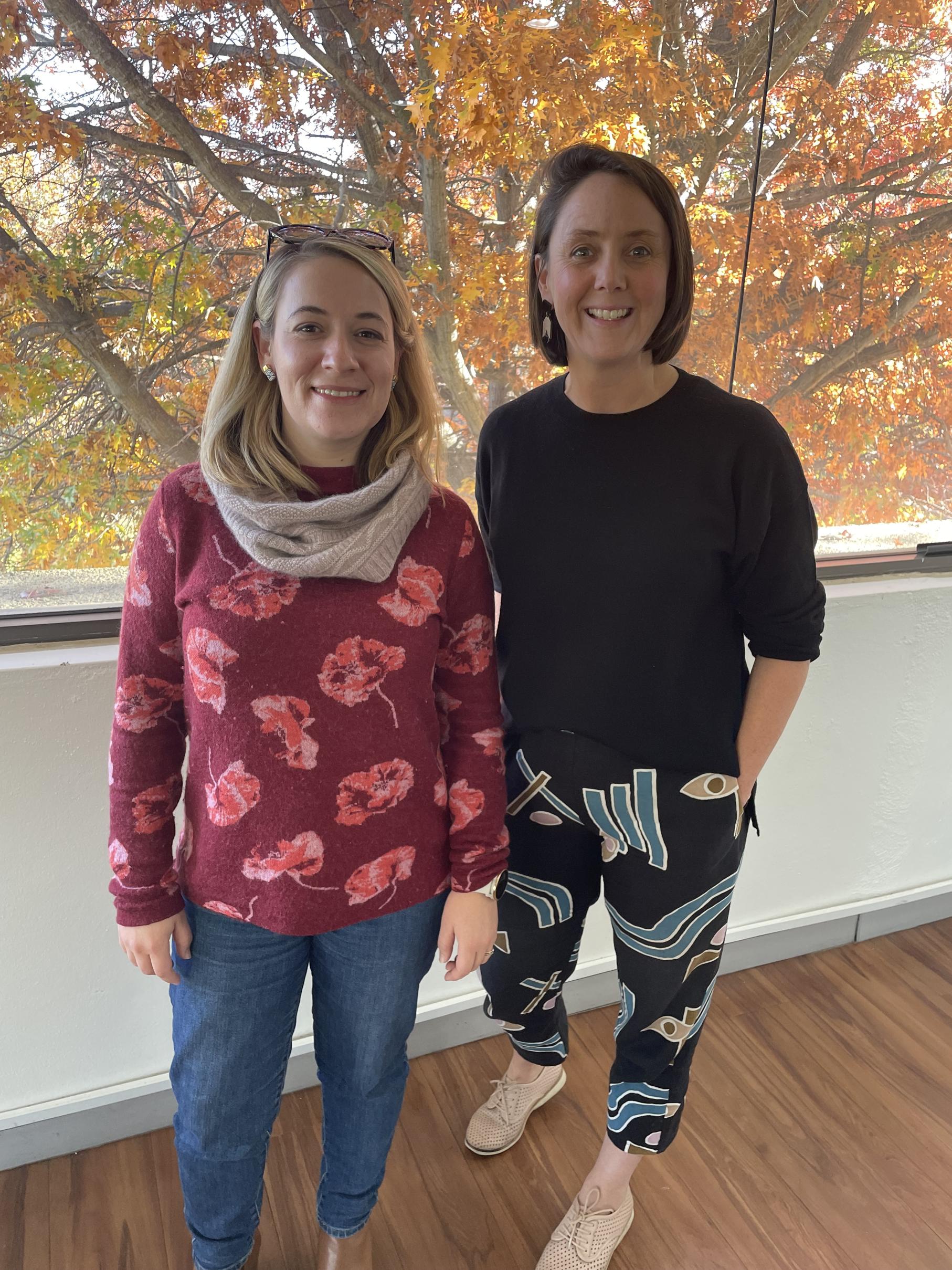
Dr Cass Schefe is a leading soil scientist and farm emissions expert. Cass has worked with farmers across Australia to understand emissions profiles and implement practice changes that boost productivity while reducing emissions.
Topics include
- Identifying and addressing common constraints in Wimmera soils
- Maintaining system fertility – beyond nitrogen
- Managing soil carbon
Event Details
- Date: Wednesday, 18 February
- Time: 7:30 PM – 8:30 PM
- Cost: FREE
- RSVP by: Monday, 16 February
- Register Here
Further Information and Question
Contact Bronwyn Bant, 0427 529 232 or bronwyn.bant@wcma.vic.gov.au
The Victorian Carbon Farming Outreach Program is delivered with funding support from the Commonwealth of Australia through the Department of Climate Change, Energy, the Environment and Water under the National Carbon Farming Outreach Program.
The Program is delivered through a partnership between Agriculture Victoria, 10 Catchment Management Authorities and Landcare Victoria and other bodies.
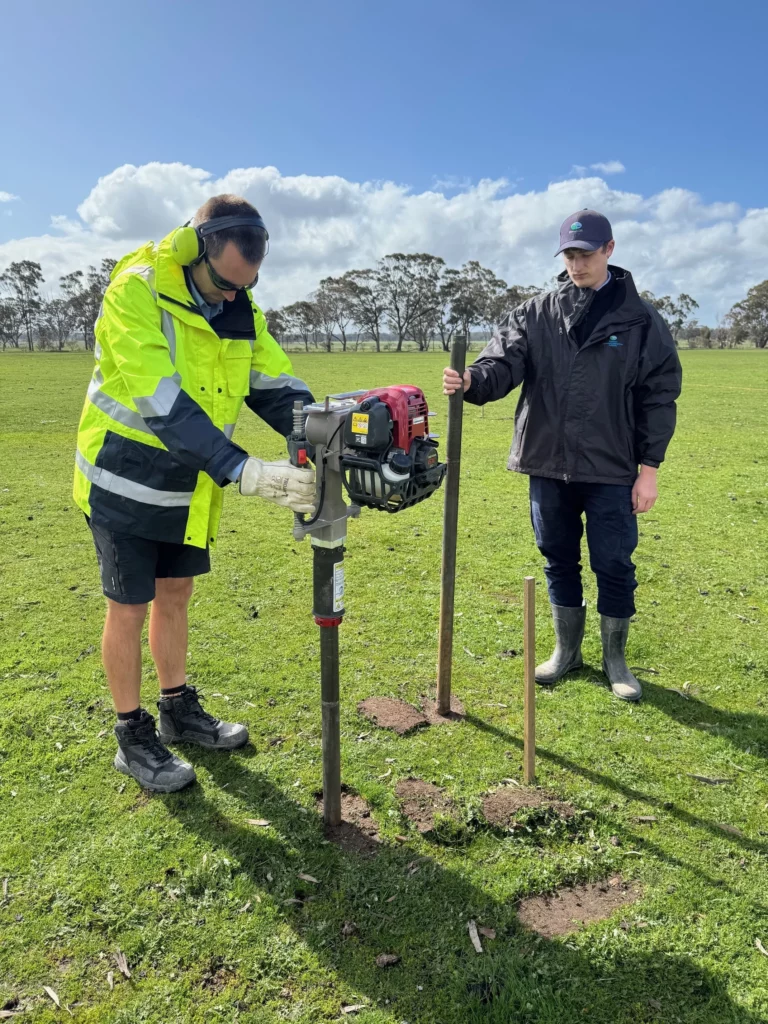
Wimmera CMA staff David and Ewan collecting soil samples
Wimmera CMA is proud to lead Victoria’s contribution to the National Soil Monitoring Program, a landmark initiative that supports climate-smart agriculture and sustainable land management across Australia.
In partnership with Victorian CMAs, Melbourne Water, Agriculture Victoria, and CSIRO, we are delivering the field component of this program across Victoria. The program is led nationally by the Australian Department of Agriculture, Fisheries and Forestry (DAFF) as part of the Australian Government’s Climate-Smart Agriculture Program and National Soil Strategy.
Across Australia, approximately 3,000 sites will be sampled, including 406 in Victoria, with a strong focus on key agricultural zones. We are at the forefront of this effort, coordinating activities including:
- Engaging with landholders.
- Soil sampling and bulk density testing.
- Soil characterisation.
- Collecting site data on land use and management practices.
CSIRO is undertaking the analysis, with results made publicly available via the Australian National Soil Information System (ANSIS). This open-access data will empower farmers, researchers, and policymakers to make informed decisions that improve soil health, boost agricultural sustainability, and enhance climate resilience.
Our leadership ensures that Victoria’s soil data is not only nationally consistent but also regionally relevant, supporting strategic decision-making at local, state, and national levels.
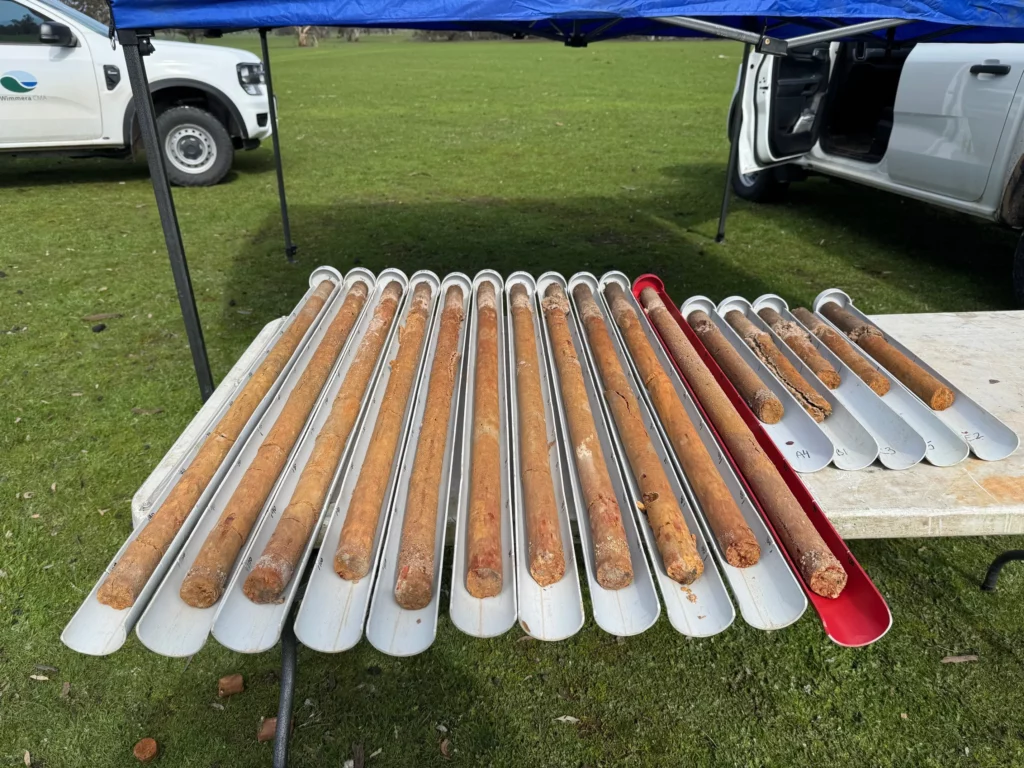
Soil Core samples
For land managers, the insights gained will provide a deeper understanding of how land use and management practices impact soil over time, helping to guide more sustainable approaches.
This project highlights our commitment to innovation, collaboration, and environmental stewardship, delivering real benefits for agriculture, communities, and ecosystems across Victoria.



Wimmera CMA and Glenelg Hopkins CMA present to farmers across Victoria a webinar designed to help them unlock the full potential of electronic identification (eID) technology in sheep production.
Join Elise Bowen, founder of Sheep Data Management and a respected expert in sheep production, in this webinar where she talks about the practical implementation of eID data to improve flock productivity and reduce methane emissions.
Topics include
- Key benefits of adopting eID technology
- Practical tips for effective data management
- Aligning data collection with farm goals
- Building a tailored data calendar
- Turning raw data into actionable insights
The Victorian Carbon Farming Outreach Program is delivered with funding support from the Commonwealth of Australia through the Department of Climate Change, Energy, the Environment and Water under the National Carbon Farming Outreach Program.
The Program is delivered through a partnership between Agriculture Victoria, 10 Catchment Management Authorities and Landcare Victoria and other bodies.
A Livestock and Landscape Farm Tour to the Otways next month will take Wimmera farmers to a grazing property where 30 years of improvements have transformed productivity and the landscape.
We are inviting farmers and Landcare groups to jump on the bus on Monday October 20 to visit the Stewart’s Yan Yan Gurt West Farm.
The bus will leave from Horsham and stop at Stawell, Ararat, Skipton and Beeac (pick up and drop off times are listed at the bottom of the page). Corangamite and Glenelg Hopkins CMAs are co-hosting the tour.
- Register for the Livestock and Landscape Farm Tour HERE
- Cost: FREE, includes meals
- Places are limited, please register before 15 October 2025
- If you would prefer to make your own way to Yan Yan Gurt West, please contact Bronwyn Bant for times and directions at Bronwyn.bant@wcma.vic.gov.au or phone 0427 529 232.
Wimmera Sustainable Agriculture Facilitator Bronwyn Bant said the tour was a great opportunity to visit a successful working farm that’s gained productivity benefits through revegetation and strategic farm planning.
“We’re pleased to be able to take Wimmera farmers outside of the region to see how the Stewarts have changed their landscape and farming system over the past three decades,” Ms Bant said.
“While the Wimmera doesn’t have the same soil types, climatic conditions or annual rainfall experienced in the Otways, Yan Yan Gurt West Farm provides a working example of the productivity benefits that can be gained through the integration of biodiversity.
“With a land area of around 230 hectares it is also a great case study of successful farm diversification.”
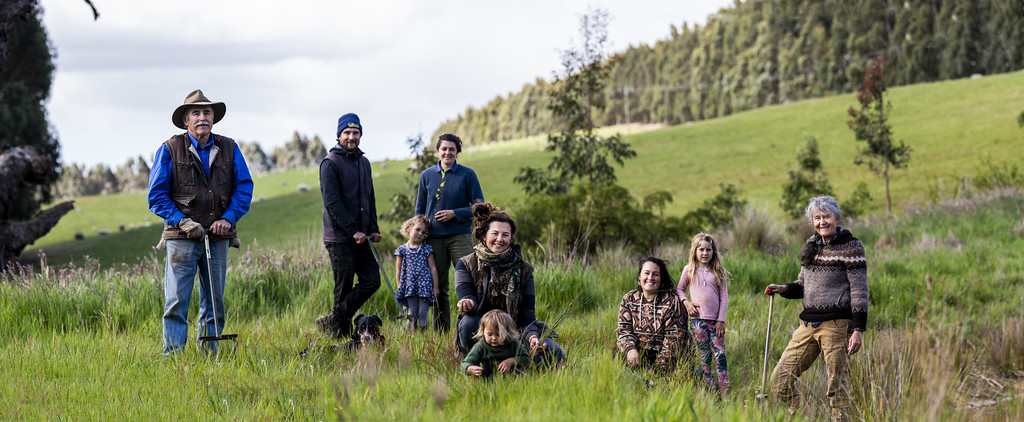
Fourth-generation farmer Andrew Stewart along with his wife Jill and daughters Kristy, Hannah and Michelle and their families, manage their family-owned grazing and agroforestry property.
Since completing a whole farm plan in 1991 they have planted more than 55,000 trees and shrubs across 42 hectares, to cover 18 percent of the farm area. They also plant deep-rooted, multi-species pastures to improve soil health, and continually trial to discover the benefits of other multi-species including chicory and plantain.
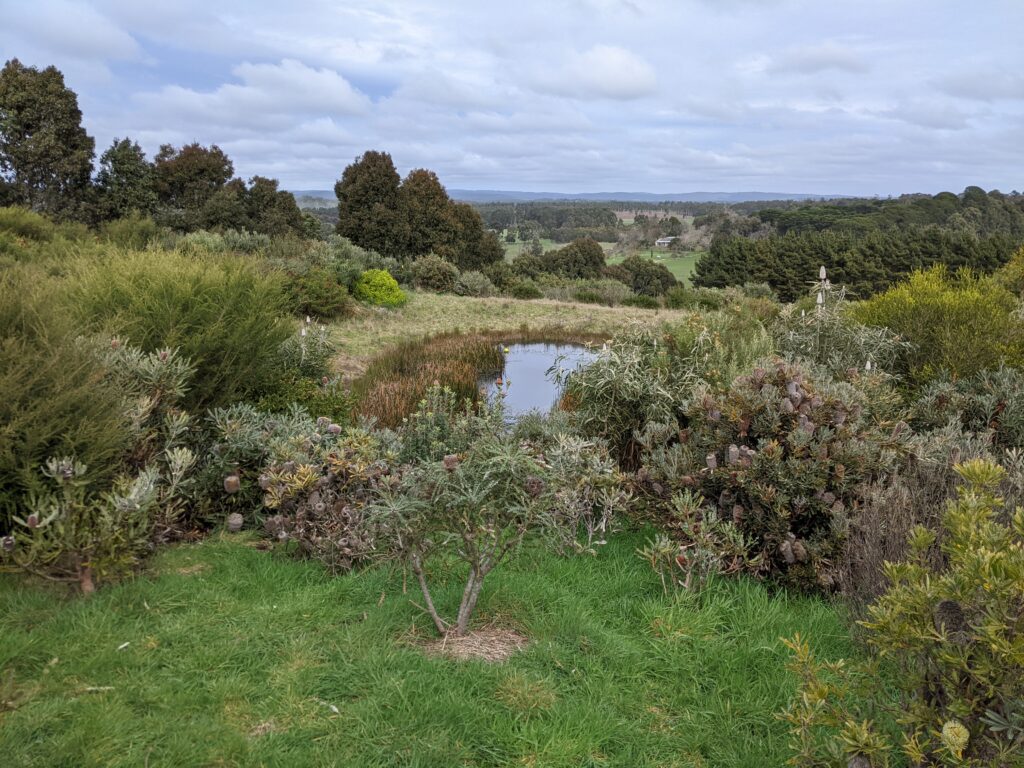
Andrew said increasing vegetation cover on the farm had not reduced their agricultural production.
They run 1300 breeding ewes, producing 1600-1800 lambs annually. They are reducing the emissions intensity of their livestock through sheep genetics, optimising feed and live-weight monitoring.
They have been able to generate new income streams and have a commercially successful banksia and wildflower foliage business that supplies florists, restaurants and function centres.
“The goal is to make our farm sustainable for the long-term and to improve the wellbeing of livestock, native animals and people living in this landscape,” Andrew said.
He said they have a strong focus on production efficiency through using pregnancy scanning and maximising lamb survival which ranges from 85 to 95% for twins and singles, respectively.
“Sheep genetics, drench efficacy testing, rotational grazing, autumn saving and set stocking at lambing are also important.”
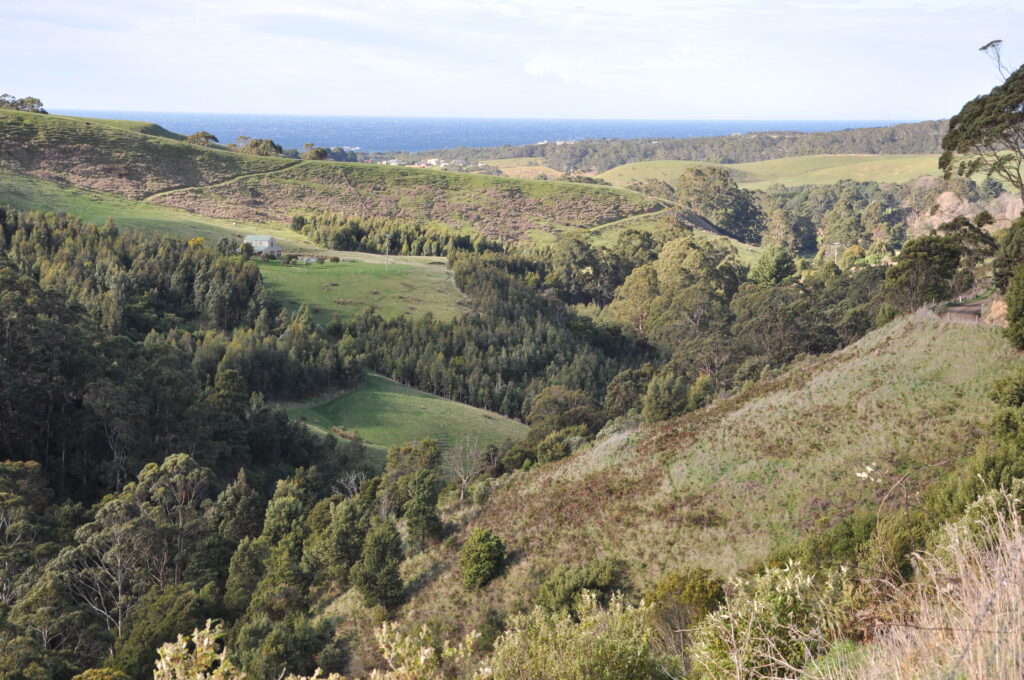
The carbon account – all emissions and sequestration within the operational boundary – showed the farm enterprise was carbon neutral in 2022-2023.
“Our target is 20 percent tree cover and through this and other tools in our farming system’s toolbox, we aim to achieve a zero carbon footprint into the future,” Andrew says.
Andrew won the 2021 Bob Hawke National Landcare Award and is a founding member of the Otway Agroforestry Network and member of the East Otway Landcare Group. He has been on the Australian Landcare Council, is a recipient of a Norman Wettenhall Foundation Landscape Restoration Fellowship and a former chair of the Victorian Farmers Federation Farm Tree & Landcare Association.
“Over the past 30 years we’ve been part of a community that have collaborated strongly. By joining forces to share ideas and be part of a community of ‘doers’ we have all built up our knowledge about good landscape functionality. At the same time we’ve had a good social time and the general sense of wellbeing that’s resulted continues to inspire us,” he said.
- The tour is in partnership with Agriculture Victoria and Landcare Victoria, as part of the Carbon Farming Outreach Program funded by the Department of Climate Change, Energy, the Environment and Water. The program aims to support farmers and land managers in accessing accurate and independent information about reducing farm emissions, accounting and markets.
Livestock and Landscape Farm Tour
Monday 20 October
Pick up and drop off times:
- Horsham (Horsham Angling Club, Dixon Drive) – departing 7am, returning 7.45pm
- Stawell (Church St Carpark near Woolworths) – departing 7.50am, returning 7.00pm
- Ararat (Town Hall, Vincent St Ararat) – departing 8.20am, returning 6.30pm
- Skipton (Montgomery St, near the public toilets) – departing 9.10am, returning 5.40pm
- Beeac (Main St, near public toilets) – departing 9.50am, returning 4.50pm
Join Dr Cassandra Schefe as she provides a comprehensive overview of the carbon cycle, emission sources common to farming, global external factors driving the need to track farm emissions, how emissions can be calculated and the relationship between best practice farming, high productivity and lower farmer emissions.
This webinar is supported by The Victorian Carbon Farming Outreach Program, delivered with funding support from the Commonwealth’s Department of Climate Change, Energy, the Environment and Water under the National Carbon Farming Outreach Program.
The Program is delivered through a partnership between Agriculture Victoria, 10 Catchment Management Authorities and Landcare Victoria.
Chicks in the Sticks has returned to the Wimmera after close to a ten year break.
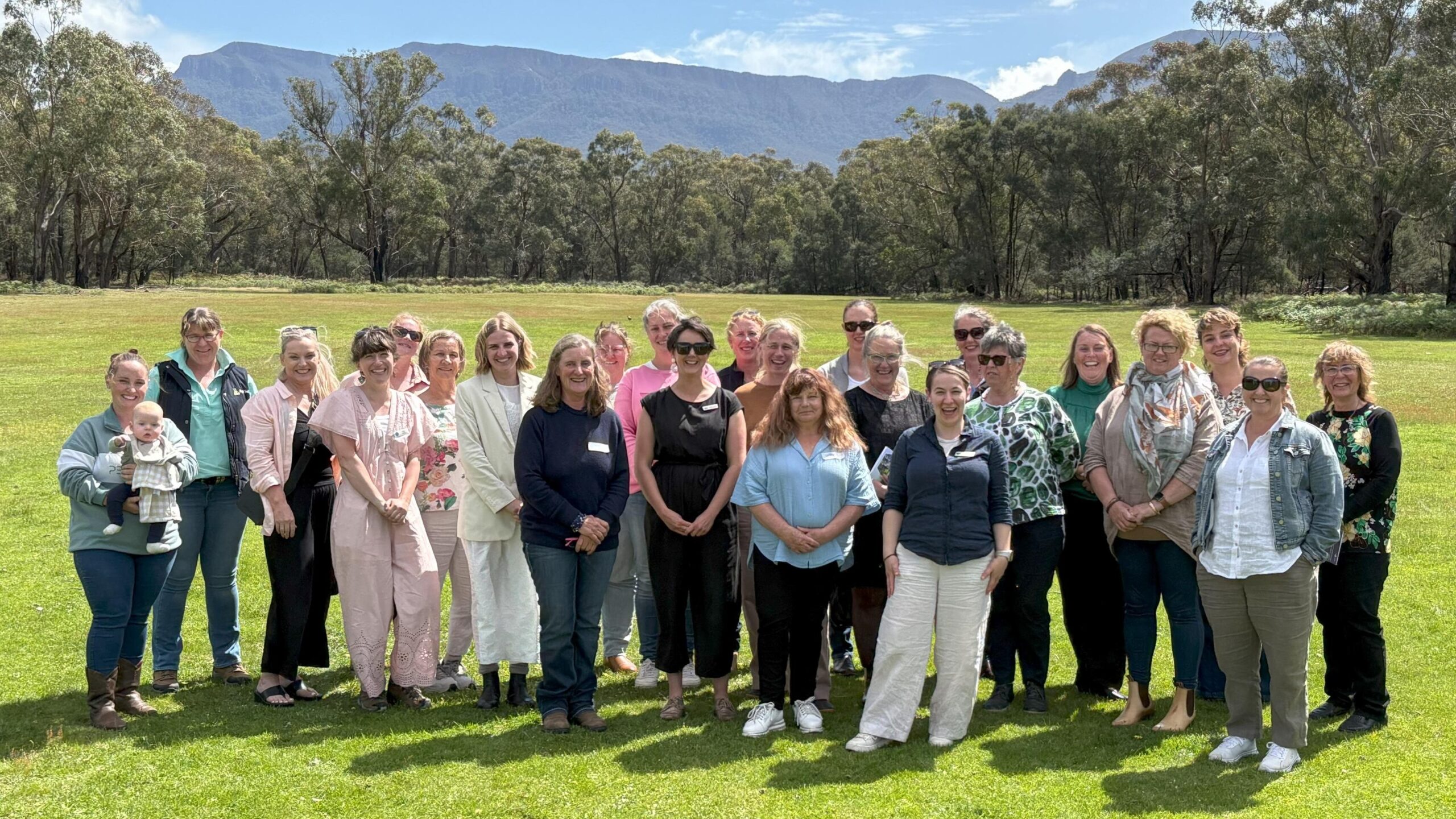
We delivered their first Chicks in the Sticks event in 2010, born out of recognition that women are often underrepresented in traditional farmer extension activities, and with the aim of delivering an event that specifically met the needs of local farming women, while still focusing on providing sustainable agricultural extension.
The most recent Chicks in the Sticks, held on 23 October, focused on providing trusted information on carbon emissions for farm businesses.
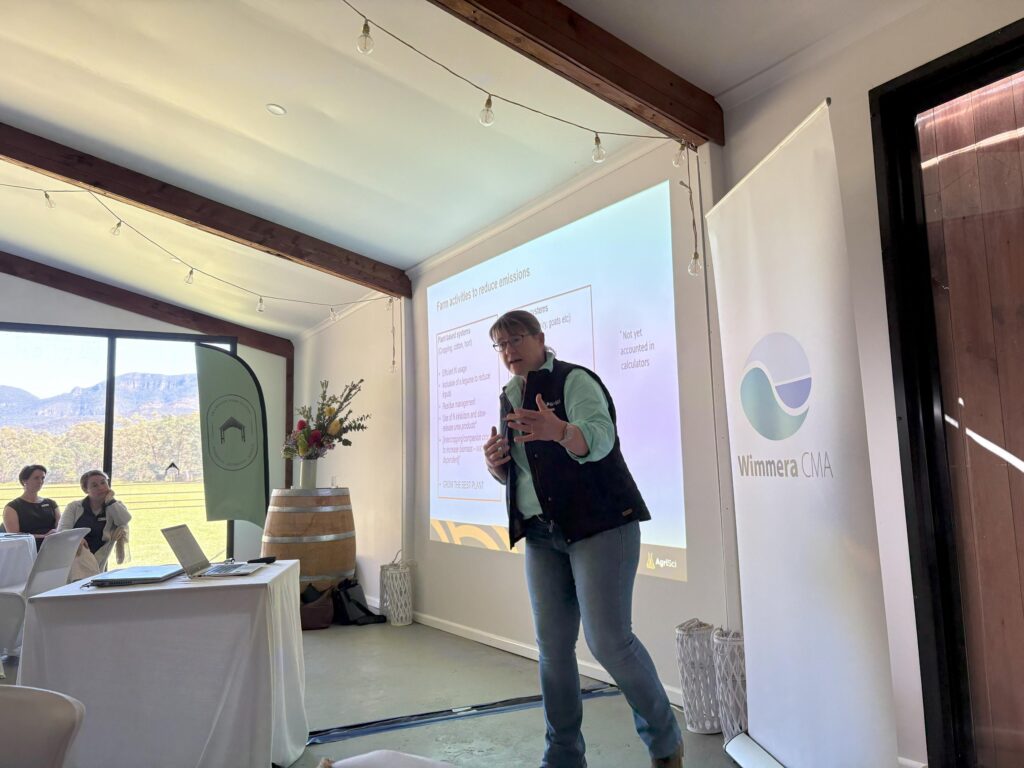
Soil Scientist Dr Cassandra Schefe provided incredibly informative insights into the policy and market forces driving farm industry carbon targets, carbon sinks and sources, definitions of ‘scopes’, key levers responsible for farming emissions, emissions calculators, emissions intensity, soil carbon, and carbon credits.
To balance the theory provided by Dr Cassandra, Bellarine Peninsula farmer Fiona Conroy shared how this plays out in reality on her carbon neutral beef and fine wool farm. Fiona describes their farm as ‘data driven’; examples of their data collecting includes soil testing paddocks on a three year cycle, monitoring stocking rates and carrying capacity, as well as tracking weight gain and herd efficiency. This is coupled with activities such as shelterbelt planting, land class fencing, soil health improvements through fertiliser and ameliorant applications and pasture improvements. All of this is completed with the aim of boosting their productivity and efficiency as a farm business whilst enhancing the farms natural capital.
Fiona stressed that she hasn’t managed the farm with the aim of reaching carbon neutral status; rather it’s a by-product of best practice farming with a focus on productivity and protecting natural capital.
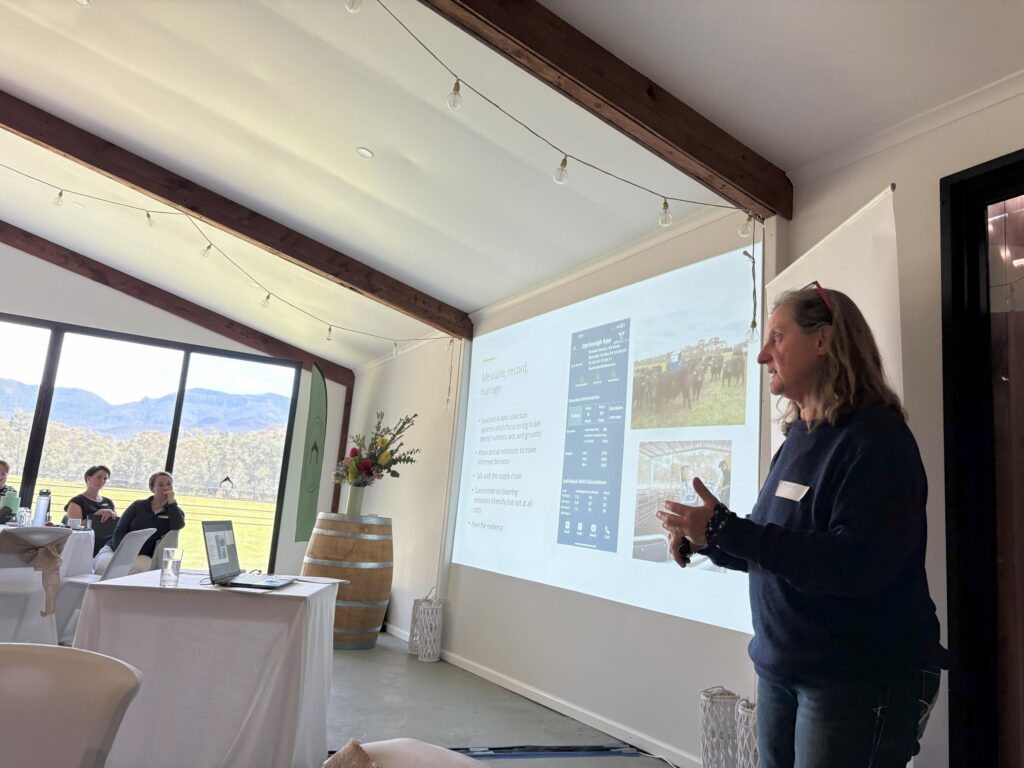
Fiona encouraged participants to keep good records, to enable the ability to monitor and effectively manage.
We will continue to deliver extension activities for farmers across the region throughout 2025 with a focus on carbon emissions. We are also working with Agriculture Victoria and Landcare Victoria Inc to deliver the Carbon Farming Outreach Program in the Wimmera.
Landcare Vic Inc webinar recording with Cam Nicholson can be viewed on YouTube Understanding Carbon Farming
Cam Nicholson will be visiting the region to present on the topic in March, heading to Great Western on Monday 17 March, Taylors Lake on Tuesday 18 and Apsley on Wednesday19th.
Dr Cassandra Schefe will also be back in the Wimmera in July, presenting carbon emission information for farmers in the Northern Wimmera, with a focus on broadacre croppers.
For information, contact Sustainable Agriculture Facilitator, Bronwyn Bant Bronwyn.bant@wcma.vic.gov.au 0427 529 232.
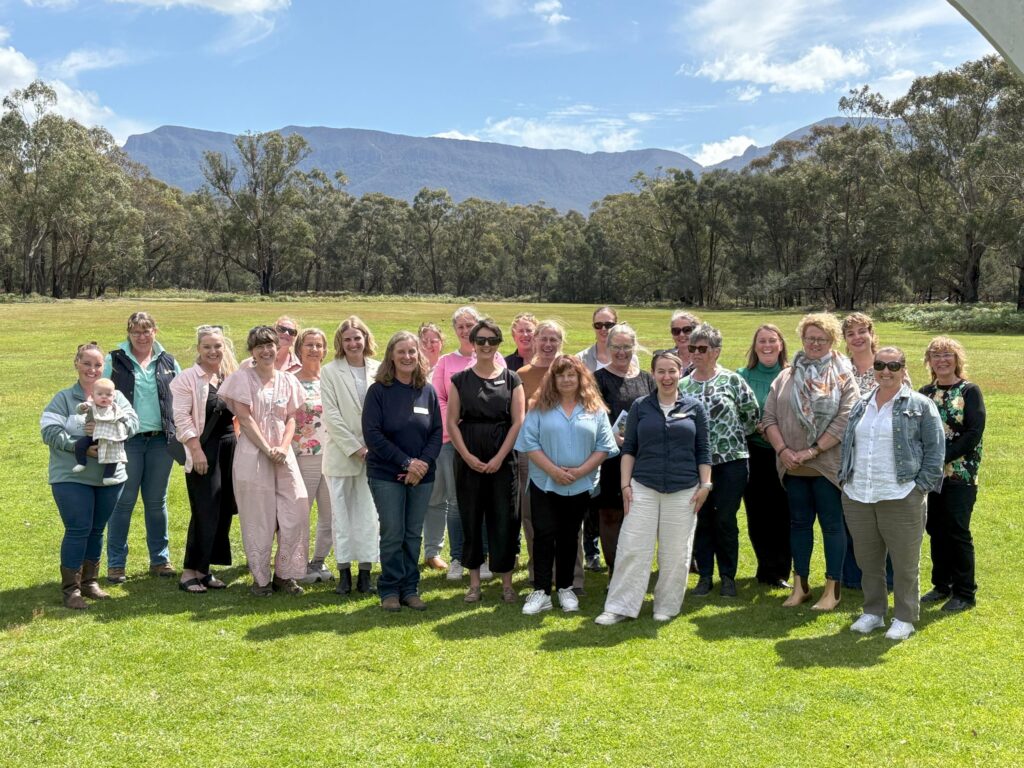 Chicks in the Sticks 2024
- Dr Cassandra Schefe providing insights into farming with low carbon emissions focus
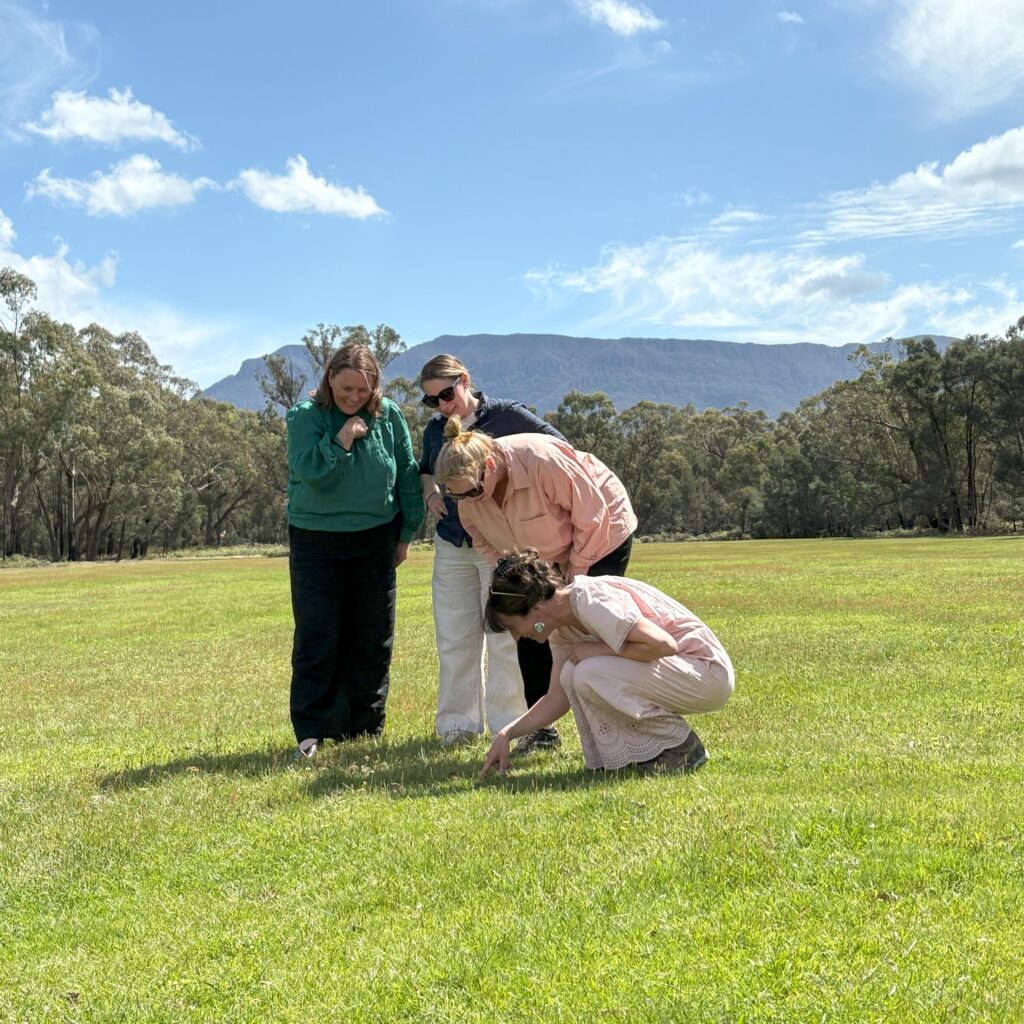 Landcare Facilitators inspect pasture – Bindy Lees, Alicia Merriam, Lynn Brown, Elia Pirtle
- Fiona Conroy explains about carbon neutral on her beef and fine wool farm
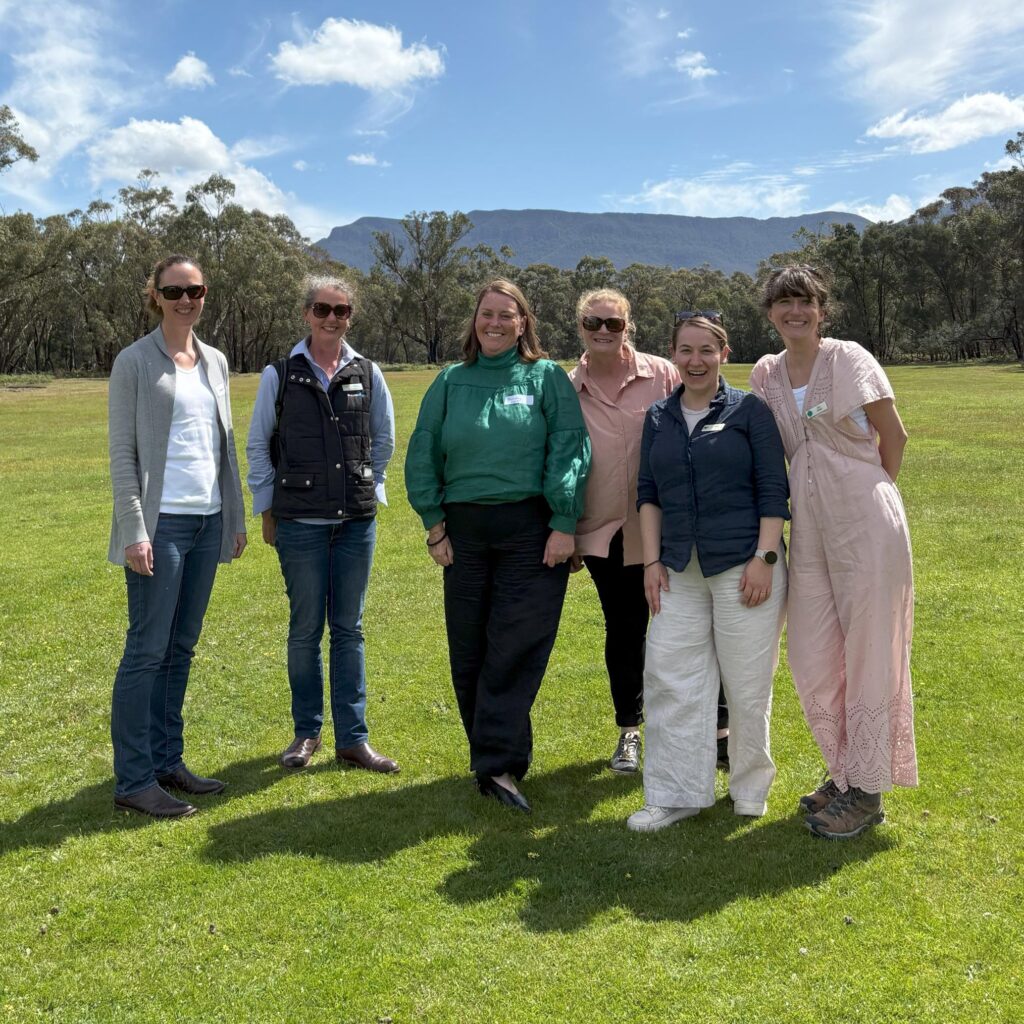 Attendees enjoying the perfect weather at Chicks in the Sticks
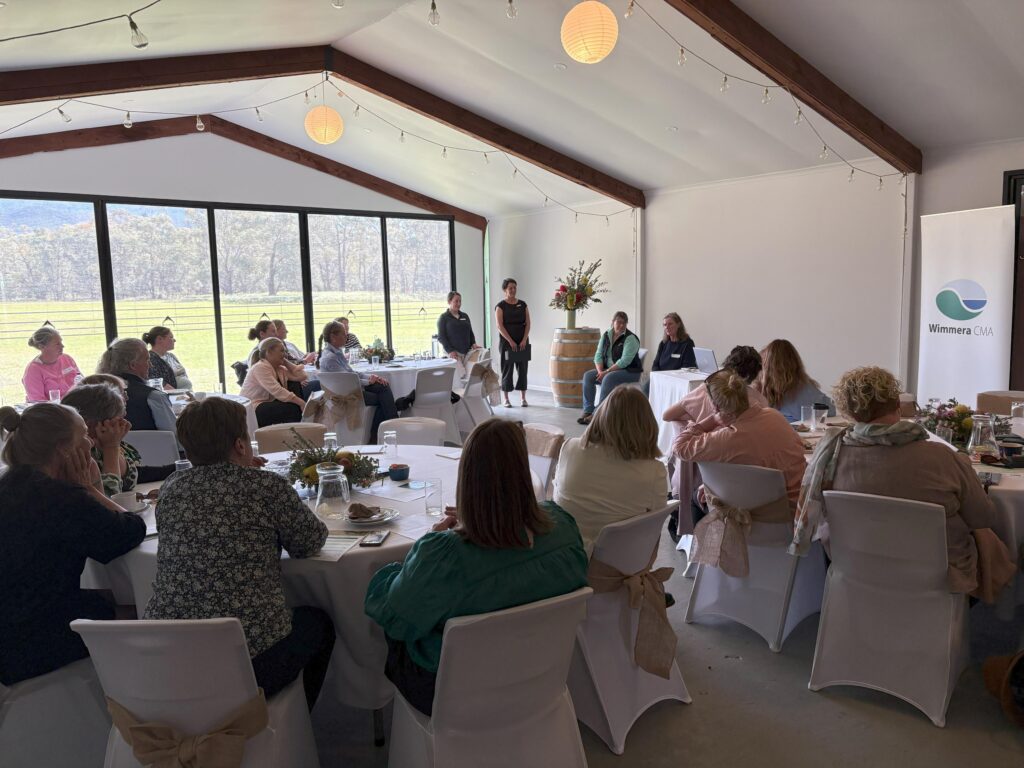 Soil Scientist Dr Cassandra Schefe and Bellarine Peninsula farmer Fiona Conroy answer questions
Sustainable Agriculture Facilitator (SAF) role, was formerly known as the Regional Agricultural Landcare Facilitator (RALF).
Chances are, that if you’ve been to a Landcare or sustainable farming event recently, you’re likely to have met our SAFs, Alicia and Bronwyn.
Alicia and Bronwyn’s role with the Wimmera CMA is to support farmers, industry and community groups (including Landcare Groups) in the Wimmera to adopt climate-smart, sustainable agricultural practices. Alicia and Bronwyn both have years of experience working in the fields of Landcare and agricultural science, and are looking forward to supporting the agriculture industry in the Wimmera.
Projects and partners
The SAF works with a range of partners, including:
- farmers
- agricultural industry bodies
- research organisations
- Landcare networks and groups with an agriculture focus
- state and local government.
The SAF is funded through the Australian Government’s National Landcare Program